Rising violations related to public use of vapes need to be raised in Parliament: Swati Maliwal
Raising concerns over the growing normalisation of vaping among children and adolescents, Rajya Sabha MP Swati Maliwal on Thursday
This time around, the government hopes to bring around DMK-TMC MPs to support the bills.




Parliament
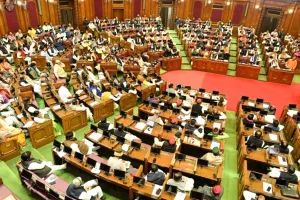
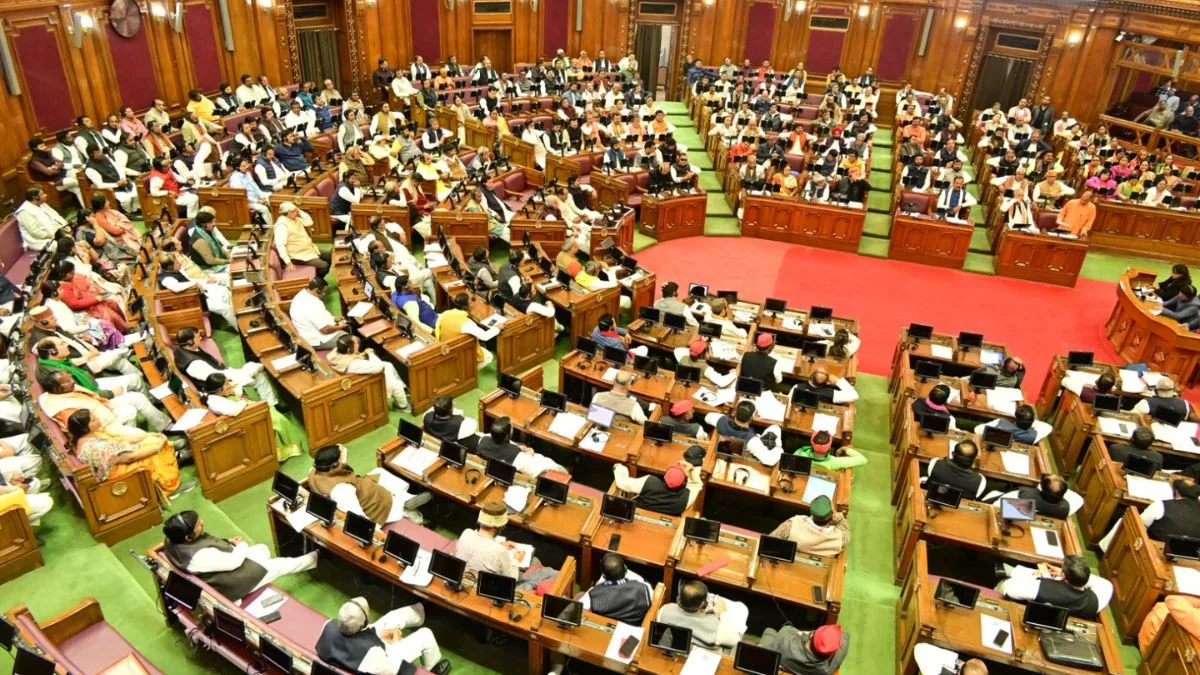
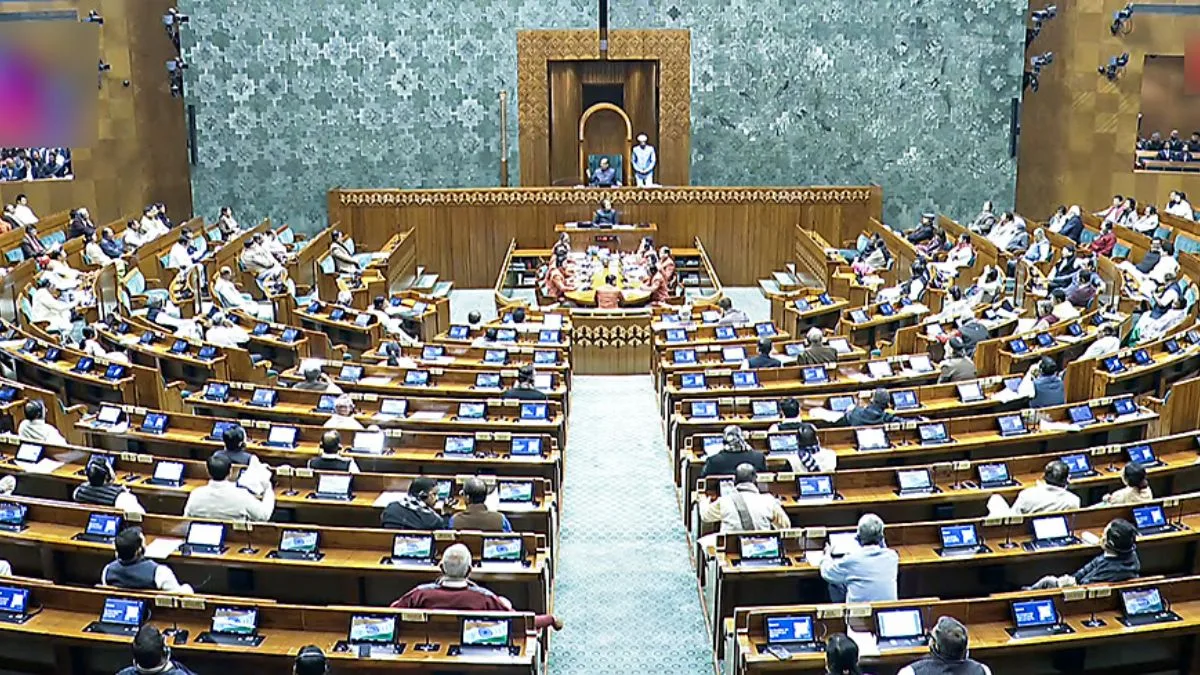
The Central government is preparing to reintroduce the “Delimitation Bill” during the upcoming monsoon session of Parliament. Earlier, in the budget session held in April 2026, the government had presented the “Delimitation Bill-2026” and the “Constitution (131st Amendment) Bill-2026” in the Lok Sabha. However, due to lack of required majority, the bills could not be passed at that time.
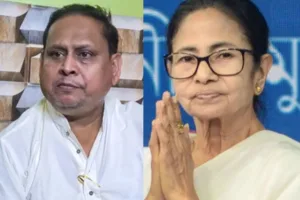
This time around, the government is reportedly engaging with MPs from DMK and Trinamool Congress to garner support for the aforementioned bills. According to sources, some disgruntled MPs from Trinamool may favour the Delimitation Bill. Speculation is that the DMK might also support the Central government on the delimitation issue.
Advertisement
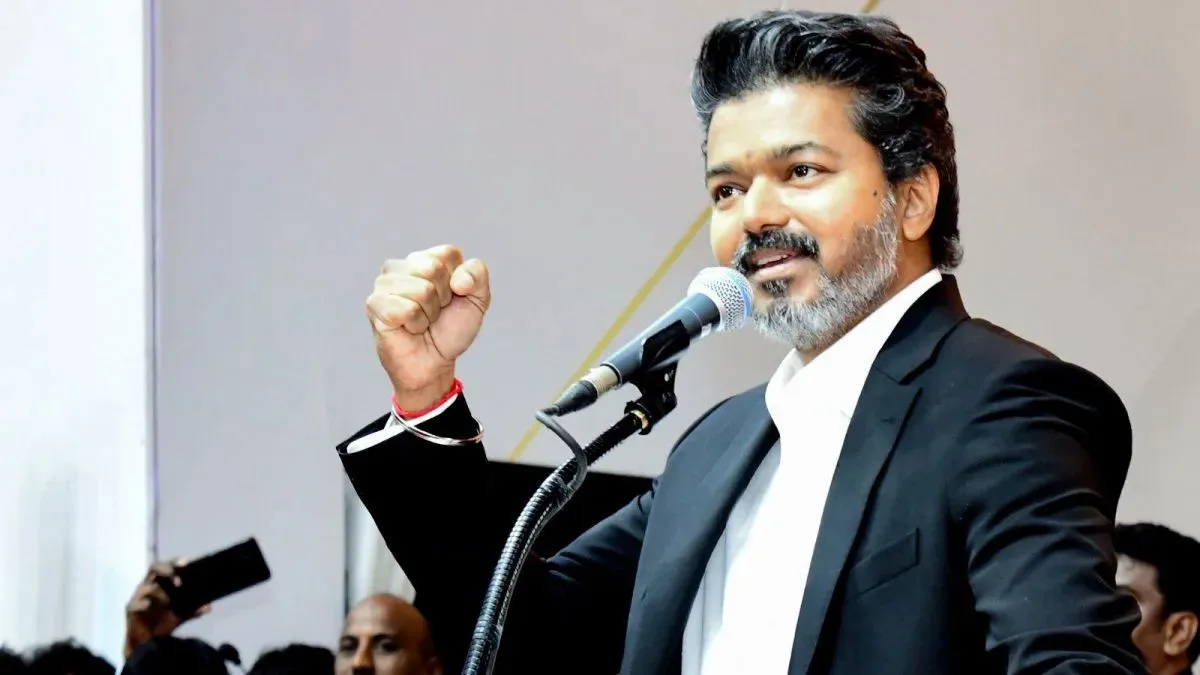
This development follows Congress’s decision in Tamil Nadu to back TVK instead of DMK, prompting the DMK to signal its potential exit from the “INDIA alliance.” The Stalin party has also announced that it would not participate in the INDIA bloc’s upcoming meeting scheduled for June 8 in Delhi.
Advertisement
Under parliamentary procedure, the government has complete autonomy to introduce new bills during regular sessions, such as the monsoon session. Constitutional amendments, like those required for ‘delimitation,’ often necessitate modifications to the constitution itself. To pass such a bill, approval by a special majority in both houses of Parliament—Lok Sabha and Rajya Sabha—is mandatory.
Decisions related to ‘delimitation’ tend to be politically and socially sensitive. Therefore, before presenting such a bill in Parliament, the government must ensure broad political consensus with Opposition parties, along with cabinet approval.
As of now, the Parliamentary Affairs Committee of the Cabinet has not made an official announcement regarding the schedule for the monsoon session of Parliament in 2026. Traditionally, this session lasts for approximately three weeks, typically commencing in the third week of July and concluding around August 15.
According to government sources, several members of Parliament from the Trinamool Congress have shown a positive attitude toward the delimitation issue. It has been claimed that the proposals being discussed by the Central government have elicited favourable responses within the party. However, no official statement has yet been issued by the Trinamool Congress on this matter. The DMK also appears to have adopted a soft stance, stating that the government should first present the new draft of the Delimitation Bill in Parliament, after which they will make their decision.
The Delimitation Bill had previously faced strong opposition from several regional parties, including the DMK and Trinamool Congress, as well as the Congress party itself. During a special session convened within the budget session earlier this year, the Central government under Narendra Modi actively pushed forward two key legislative initiatives: the “Reorganization of Lok Sabha” and an amendment to the Women’s Reservation Bill. The latter, aiming to implement reservations for women in the 2029 Lok Sabha elections, was formally named the “Nari Shakti Vandan Adhiniyam.”
Alongside this legislation, the 131st Constitutional Amendment Bill was also introduced. The Central focus of this bill was to reorganize Lok Sabha constituencies based on the 2011 Census rather than the upcoming 2027 Census. If passed by both houses of Parliament and approved by the President, the number of Lok Sabha seats could increase from 543 to 850, with one-third of these reserved for women.
However, as the Opposition alliance is united to strongly oppose the proposed bill, the bill failed to pass during the parliamentary vote. The Opposition’s position was clear—they supported women’s reservation but were unwilling to agree to nationwide seat redistribution under its guise. Notably, the Trinamool Congress shared a similar stance at the time. Union Home Minister Amit Shah pointed out that the Lok Sabha seat reallocation was last carried out in 1972 under Indira Gandhi’s government, increasing the number of seats from 522 to 543. On the other hand, the “INDIA Alliance” argued that if seat redistribution were based on the 2011 census, it would disproportionately increase representation from BJP strongholds in northern India’s Hindi-speaking belt while diminishing representation for southern, northeastern, and smaller states.
Advertisement